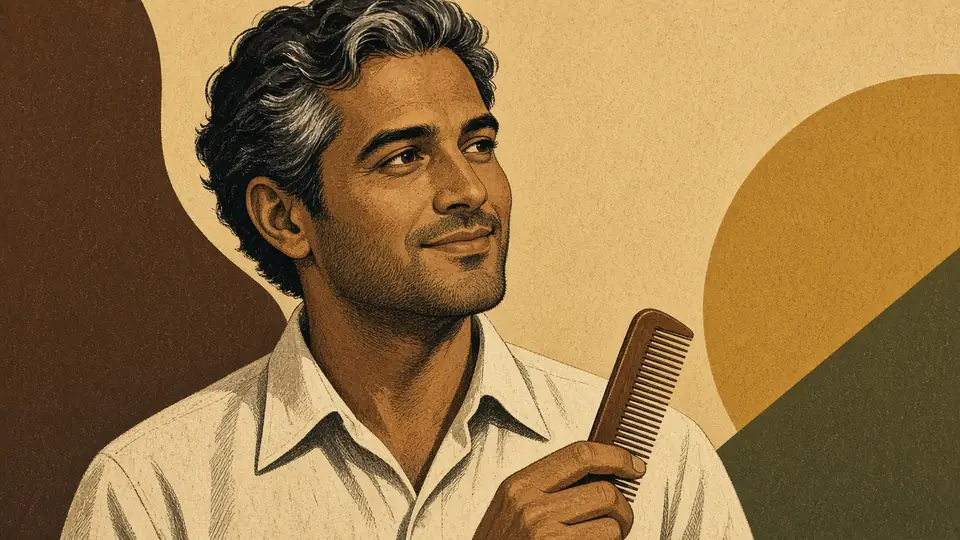
Hair fall in men: causes, and the treatments that actually work
Why men lose hair, from male-pattern baldness to stress, illness and deficiencies, which treatments have real evidence (minoxidil, finasteride, transplants), what doesn't work, and when to see a dermatologist.
Key points
- Most hair loss in men is male-pattern baldness (androgenetic alopecia): a receding hairline and thinning crown, driven by genes and the hormone DHT.
- Losing 50–100 hairs a day is normal. Sudden heavy shedding after an illness such as dengue or typhoid, surgery or major stress is often temporary (telogen effluvium).
- The treatments with the best evidence for male-pattern baldness are minoxidil (applied to the scalp) and finasteride (a prescription tablet), plus hair transplant for suitable men.
- Start early. Treatments work best at keeping the hair you have, and they need months to show results.
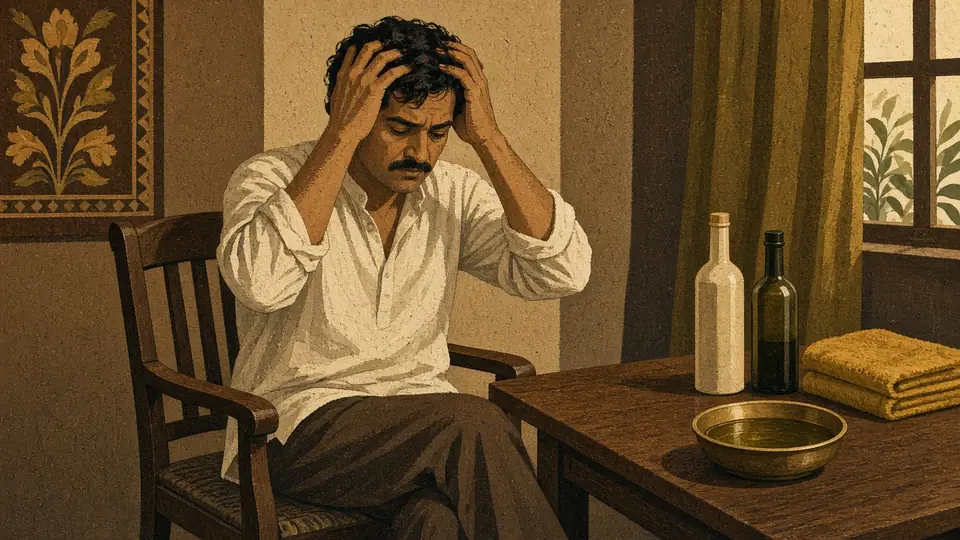
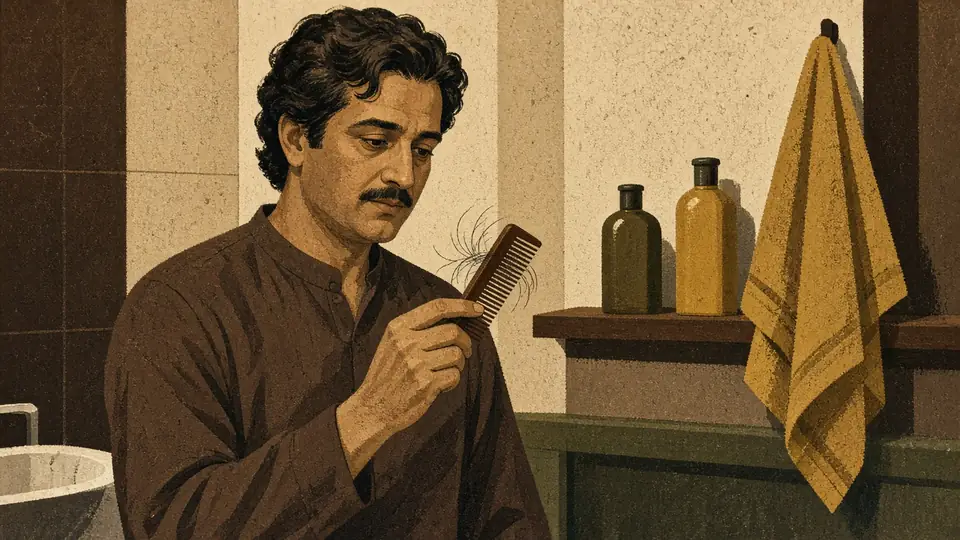
It usually begins quietly: more hair on the pillow, more on the bathroom floor, a hairline that seems further back in every photo. Then a cousin at a family function says "Bhai, baal kahan gaye?" and suddenly it's all you can think about.
Hair loss is extremely common in men. For many it's a normal part of getting older, but it can affect confidence. This guide explains why it happens, which treatments are proven, which are a waste of money, and when to see a dermatologist.
Is my hair fall normal?
It's normal to lose around 50–100 hairs a day as part of the natural hair growth cycle. You'll notice more after washing or combing. The question is whether you're losing more than you're growing back, or whether your hairline or crown is changing.
The main causes of hair loss in men
1. Male-pattern baldness (androgenetic alopecia)
This is the most common cause by far. It typically shows up as:
- A receding hairline, often at the temples, forming an "M" shape
- Thinning at the crown (top of the head)
- Gradual progression over years
It's caused by a combination of genes and the hormone dihydrotestosterone (DHT), made from testosterone. In men with a genetic tendency, DHT gradually shrinks hair follicles, so each new hair is thinner and shorter, until the follicle stops producing visible hair.
It can be inherited from either side of the family, not just your mother's.
2. Telogen effluvium (shedding after a trigger)
Sudden, heavy shedding all over the scalp, usually 2–3 months after a trigger such as:
- High fever or illness: dengue, typhoid, COVID-19 and others
- Surgery or major injury
- Severe stress or bereavement
- Crash dieting or rapid weight loss
- Some medicines
The good news: this type usually recovers on its own within about 6 months once the trigger has passed.
3. Deficiencies and medical conditions
- Low iron (ferritin)
- Thyroid problems
- Vitamin D deficiency, which has been linked with some hair problems, though the evidence is mixed
- Very low protein intake
4. Alopecia areata
An autoimmune condition causing round, smooth bald patches on the scalp, beard or elsewhere. It needs a dermatologist.
5. Scalp conditions
Fungal infection (tinea capitis), severe dandruff (seborrhoeic dermatitis), psoriasis, and other conditions can cause hair loss, especially with redness, scaling or itching.
6. Hairstyling and traction
Tight styles, harsh chemical treatments and excessive heat can damage hair.
7. Steroids and supplements
Anabolic steroids and testosterone used for bodybuilding can speed up male-pattern baldness in men with a tendency to it.
Treatments with real evidence
These are for male-pattern baldness. Other causes need their own treatment.
Minoxidil (applied to the scalp)
- Available as a solution or foam, commonly 5% for men, applied to the scalp daily as directed.
- It helps slow hair loss and regrow some hair in many men, particularly at the crown.
- Results take 3–6 months, and you may notice extra shedding in the first few weeks, which usually settles.
- It needs to be used continuously; if you stop, the benefit fades over months.
- Possible side effects include scalp irritation, itching, and unwanted hair growth on the face if it drips.
Oral (tablet) minoxidil at low doses is increasingly used by dermatologists, but it's a prescription treatment with possible side effects on blood pressure and heart rate, so it should only be used under medical supervision.
Finasteride (prescription tablet)
- Finasteride reduces the conversion of testosterone to DHT.
- It's effective at stopping or slowing hair loss in most men, and regrows some hair in many.
- Results take 3–12 months, and it needs to be taken continuously.
- Possible side effects include reduced libido, erection problems and reduced ejaculate in a small percentage of men, and, rarely, mood changes. Some men report persistent symptoms after stopping. Discuss the risks and benefits with a dermatologist.
- It's a prescription medicine and must be taken only under medical advice. Women who are or may become pregnant should not handle broken tablets.
Hair transplant
For men with stable hair loss and enough donor hair at the back and sides of the head, a hair transplant can give natural, lasting results when done by a qualified surgeon. Read hair transplant in Pakistan: what to check.
Other options
- Platelet-rich plasma (PRP) injections: some studies show benefit, but the evidence is still developing, and protocols vary.
- Low-level laser devices: some evidence of modest benefit.
- Ketoconazole shampoo: sometimes used alongside other treatments; evidence is limited.
- Microneedling, combined with minoxidil, has shown benefit in some small studies, and is best done by professionals.
What doesn't work (or isn't proven)
- Oils (coconut, mustard, castor, "pyaz ka tel", rosemary, "special herbal oils"). Massaging oil may make hair look and feel better, but there's no good evidence it reverses male-pattern baldness. See baal girne ka ilaj: home remedies vs doctor.
- Biotin and "hair vitamins" in people who aren't deficient.
- Expensive shampoos promising regrowth.
- "Guaranteed" clinic packages with unclear treatments.
When to start
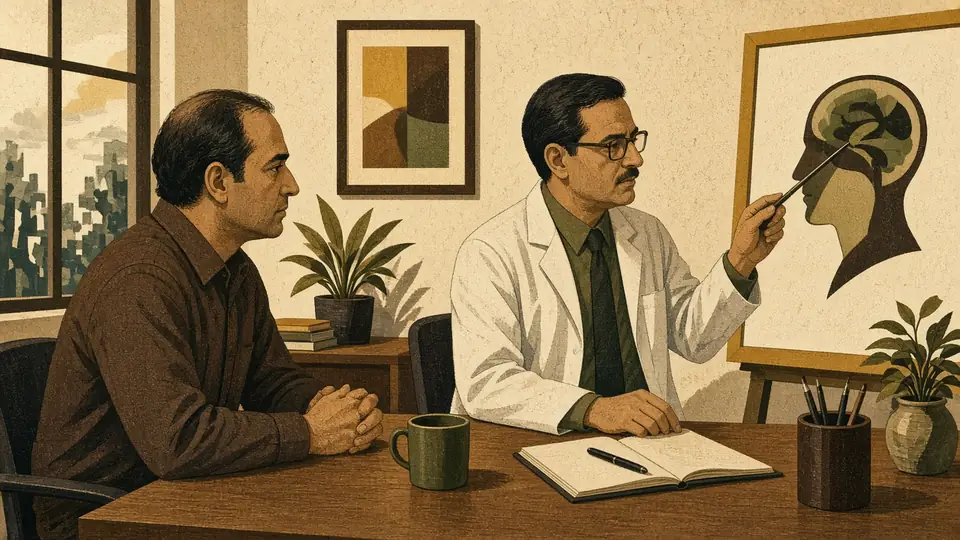
Male-pattern baldness is progressive. Treatments are best at keeping the hair you still have, and regrowth is easier in areas that have thinned recently. If you're bothered by hair loss, see a dermatologist sooner rather than later.
Accepting it is also fine
Many men decide not to treat hair loss, and that's a perfectly good choice. A short, clean haircut or a shaved head, with a well-groomed beard, can look sharp and confident. Your health, fitness and how you carry yourself matter far more.
See a doctor promptly if
- Hair falls out in round patches, or you lose eyebrow or beard hair too.
- Your scalp is red, scaly, itchy, painful or has pus or scarring.
- Shedding is sudden and heavy, or comes with weight loss, tiredness or other symptoms.
- You're considering prescription treatment such as finasteride. Discuss benefits and side effects with a dermatologist first.
Frequently asked questions
What is the best treatment for hair fall in men?
For male-pattern baldness, minoxidil and finasteride have the strongest evidence, and a hair transplant can help suitable men. The right option depends on your hair loss pattern and health, so see a dermatologist.
Can hair fall be stopped completely?
Male-pattern baldness can often be slowed or stopped with treatment, but it needs to be continued long term. Shedding caused by illness or stress usually stops on its own.
Does dandruff cause hair fall?
Severe dandruff and scalp inflammation can contribute to hair shedding. Treating it with an anti-dandruff shampoo can help.
Does wearing a cap cause baldness?
No. Wearing a cap or helmet doesn't cause male-pattern baldness, though very tight headwear can stress hair.
Can stress cause hair loss?
Yes. Severe stress can trigger telogen effluvium, sudden shedding a few months later, which usually recovers.
Sources
- American Academy of Dermatology. Hair loss: diagnosis and treatment.
- NHS. Hair loss.
- MedlinePlus. Hair loss.
- Kanti V, et al. Evidence-based (S3) guideline for the treatment of androgenetic alopecia in women and in men (short version). Journal of the European Academy of Dermatology and Venereology, 2018.
- MedlinePlus. Minoxidil topical.
- MedlinePlus. Finasteride.
Sources were checked on 26 November 2026. Found an error? Tell us and we will correct it.
Medical disclaimer: This article is general information, not a diagnosis or treatment plan. Please talk to a qualified doctor about your own situation. Read our full disclaimer.
Weekly tips for men over 35
Baal, skin aur beard: what actually works, in one short email a week. Free, no spam.
We only use your email to send this newsletter and never share it. Unsubscribe anytime, every email has a one-click link. Privacy policy
Shukriya! You're on the list. Pehli email jald aayegi.
Something went wrong. Please check your email address and try again.