Dark circles treatment for men: neend, diet, creams, and what really works
Why men get dark circles under the eyes (genes, pigmentation, thin skin, sleep, allergies, eye-rubbing, ageing), what helps at home, which cream ingredients have some evidence, what to avoid, and when to see a doctor.
Key points
- Dark circles have several causes: genes and pigmentation (very common in South Asian skin), thin skin showing blood vessels, puffiness and shadows from ageing, allergies, eye-rubbing and poor sleep.
- Sleep, allergy control, not rubbing your eyes, sunscreen and sunglasses are the foundation.
- Creams with caffeine, vitamin C, niacinamide or retinol may help a little over weeks to months. Results are usually modest.
- Avoid bleaching creams, steroid creams and home remedies like lemon juice near the eyes.
"Tum thake hue lag rahe ho." If you hear this often, even after a good night's sleep, dark circles may be to blame. They're very common in Pakistani men and women, and they often run in families.
Dark circles are rarely a sign of serious illness, but they can affect how you look and feel. This guide explains the causes, what helps at home, which creams are worth trying, and what to avoid.
What causes dark circles?
1. Genetics and pigmentation
The most common cause in South Asian skin is extra melanin (pigment) in the skin around the eyes, often running in families. This is called periorbital hyperpigmentation. It tends to look brown.
2. Thin skin and visible blood vessels
The skin under the eyes is very thin. Blood vessels underneath can show through as a bluish or purplish tint, which becomes more visible with age as skin thins and loses fat.
3. Hollows and shadows
With age, the fat pad under the eye shifts and a tear trough (hollow) develops, creating a shadow that looks like a dark circle, especially under overhead lighting.
4. Puffiness
Fluid retention, allergies, salty food and poor sleep can cause under-eye bags that cast shadows.
5. Lack of sleep and fatigue
Poor sleep doesn't directly cause pigmentation, but it can make skin look paler and dull and blood vessels more noticeable.
6. Allergies and eye-rubbing
Hay fever, dust allergy and eczema cause itching. Rubbing the eyes irritates the skin and can cause darkening over time.
7. Sun exposure
UV light increases pigmentation, including around the eyes.
8. Medical causes (less common)
- Iron deficiency anaemia
- Thyroid problems
- Kidney or liver disease, which may cause puffiness
- Some medicines
What helps at home
Sleep well
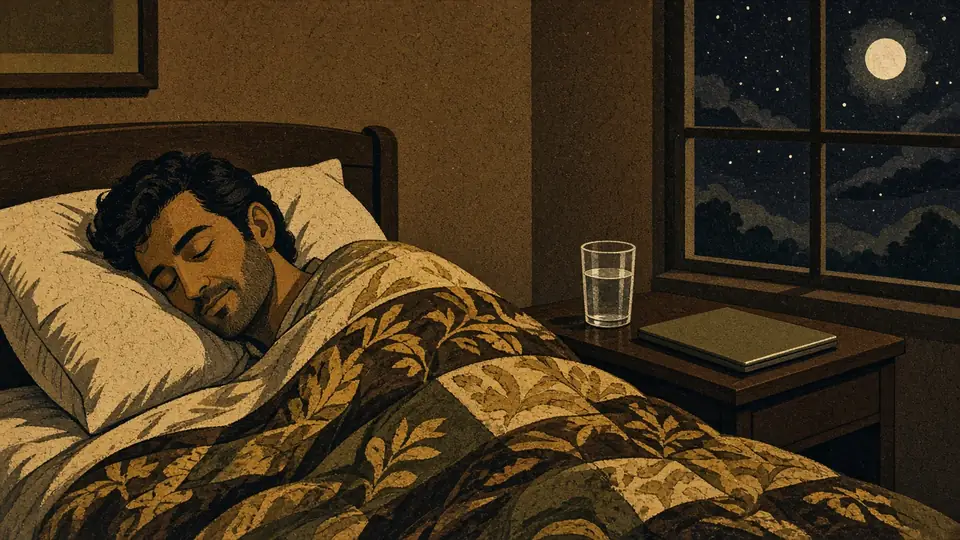
Aim for 7–9 hours with a regular schedule. Raising your head slightly with an extra pillow may reduce morning puffiness.
Treat allergies
If your eyes itch, sneeze or water, talk to a pharmacist or doctor about allergy treatment. Stop rubbing your eyes.
Protect from the sun
- Sunscreen around the eyes daily (choose a gentle, fragrance-free formula and keep it out of the eyes)
- Sunglasses outdoors, which also stop squinting
Cool compresses
A cool, damp cloth or chilled spoons for a few minutes can temporarily reduce puffiness.
Reduce salt and alcohol
Both can increase puffiness.
Don't smoke
Smoking damages collagen and speeds skin ageing.
Stay hydrated and eat well
Dehydration can make skin look dull. If you're tired all the time, ask a doctor whether a blood test for anaemia is needed.
Creams and ingredients with some evidence
| Ingredient | What it may do |
|---|---|
| Caffeine | May reduce puffiness temporarily by constricting blood vessels |
| Vitamin C | May lighten pigmentation and support collagen |
| Niacinamide | May reduce pigmentation, generally well tolerated |
| Retinol | May thicken skin over time, reducing visible blood vessels; can irritate the delicate eye area, so start slowly |
| Moisturisers with hyaluronic acid | Plump the skin temporarily, reducing fine lines |
Results are usually modest and take 6–12 weeks. Use eye-area products as directed, and stop if they sting or cause redness.
What to avoid
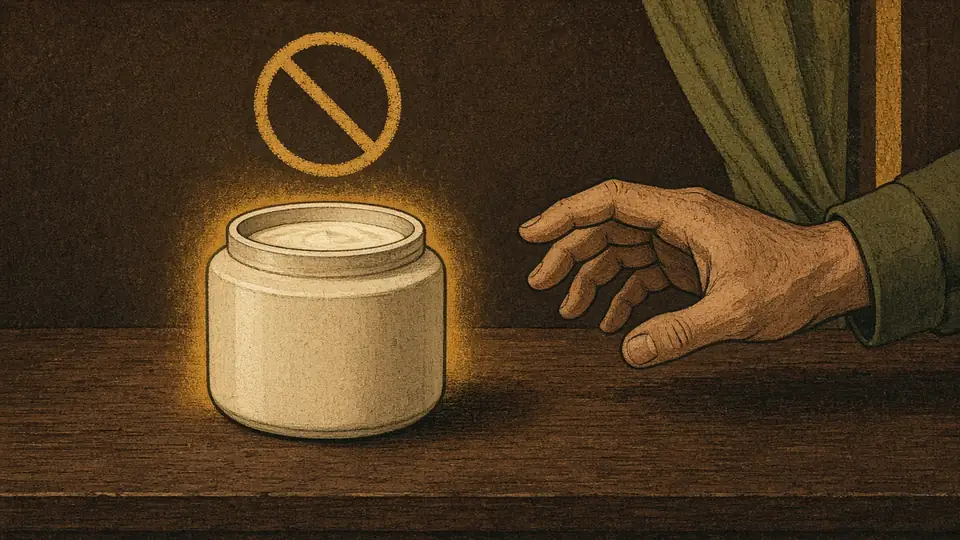
- Bleaching or "whitening" creams: may contain steroids, mercury or high-dose hydroquinone, which can damage thin under-eye skin. See skin whitening creams: the hidden danger.
- Steroid creams: can thin the skin further, worsening the problem.
- Lemon juice, toothpaste, raw potato rubbing or strong home remedies: can irritate and darken skin.
- Harsh scrubbing around the eyes.
Treatments from a dermatologist
For persistent dark circles, a dermatologist may suggest:
- Prescription creams for pigmentation
- Chemical peels (gentle, for pigmentation)
- Laser treatments for pigmentation or visible vessels
- Fillers for hollow tear troughs (should only be done by a qualified, experienced doctor)
These procedures have risks, especially in darker skin, and costs vary. Choose a registered doctor, ask about their experience and possible side effects, and avoid unqualified practitioners. In Pakistan, you can check a doctor's registration with the Pakistan Medical and Dental Council (PMDC).
How to tell which type you have
- Brown circles that don't change when you stretch the skin: likely pigmentation
- Blue or purple tint that becomes more visible when you stretch the skin: likely visible blood vessels
- Dark area that disappears when you look up into light or tilt your head: likely shadows from hollows or puffiness
Many people have a mix of types.
A simple 8-week plan
- Week 1: fix sleep timing, stop eye-rubbing, start daily sunscreen and sunglasses.
- Weeks 1–8: apply a gentle eye cream with caffeine, vitamin C or niacinamide morning and night.
- Week 3 onwards: if your skin tolerates it, add a gentle retinol eye product 2–3 nights a week.
- Week 8: take photos in the same light and compare. If there's no improvement and it bothers you, see a dermatologist.
Quick fixes for an important day
When you need to look fresh for a wedding, interview or meeting:
- Sleep properly the night before, and avoid a very salty dinner.
- Cool compress for 5–10 minutes in the morning to reduce puffiness.
- Light moisturiser under the eyes so the skin doesn't look dry.
- Colour-correcting concealer: many men now use a small amount of concealer matched to their skin tone. A peach or orange-toned corrector can help hide bluish circles on darker skin. It's temporary but effective.
- Good lighting in photos: overhead light deepens shadows; face a window instead.
Myths about dark circles
- "Dark circles mean you're unhealthy." Usually not. Most are genetic or due to pigmentation and anatomy.
- "Cucumber slices cure dark circles." They're cool and may reduce puffiness briefly, but they don't remove pigmentation.
- "Expensive eye creams are better." Price doesn't predict results. Ingredients and consistency matter more.
- "Only women get dark circles." Men get them just as often.
See a doctor promptly if
- Dark circles appear suddenly, or are on one side only, or come with swelling, pain or vision changes.
- You also have tiredness, breathlessness or pale skin (possible anaemia), or symptoms of thyroid or kidney problems.
- You have itchy, red, flaky eyelids (possible eczema or allergy).
Frequently asked questions
Dark circles ka ilaj kya hai?
Neend poori karein, aankhen na malein, allergy ka ilaj karein, sunscreen aur dhoop ka chashma istemal karein, aur caffeine, vitamin C ya niacinamide wali eye cream 6 se 12 hafte tak lagayen. Zyada masla ho to dermatologist se milen.
Can dark circles be removed permanently?
Genetic pigmentation and hollows often can't be removed completely, but they can be improved. Results depend on the cause.
Do dark circles mean I'm ill?
Usually not. But if they're new, sudden, one-sided, or come with tiredness, breathlessness or swelling, see a doctor.
Does lack of sleep cause dark circles?
Poor sleep can make dark circles more noticeable, but in many people, genetics and pigmentation are the main cause.
Are under-eye creams worth it?
Some ingredients, such as caffeine, vitamin C, niacinamide and retinol, may help a little. Expensive creams aren't necessarily better.
Sources
- Cleveland Clinic. Dark circles under the eyes: causes and treatment.
- MedlinePlus. Dark circles under the eyes.
- Sarkar R, et al. Periorbital hyperpigmentation: a comprehensive review. Journal of Clinical and Aesthetic Dermatology, 2016.
- NHS. Iron deficiency anaemia.
- NHS. Allergic rhinitis.
- Pakistan Medical and Dental Council. Official website and practitioner register.
Sources were checked on 26 November 2026. Found an error? Tell us and we will correct it.
Medical disclaimer: This article is general information, not a diagnosis or treatment plan. Please talk to a qualified doctor about your own situation. Read our full disclaimer.
Weekly tips for men over 35
Baal, skin aur beard: what actually works, in one short email a week. Free, no spam.
We only use your email to send this newsletter and never share it. Unsubscribe anytime, every email has a one-click link. Privacy policy
Shukriya! You're on the list. Pehli email jald aayegi.
Something went wrong. Please check your email address and try again.