Beard after 35: grey, patchy or itchy, and what actually works
A practical guide to beards for men over 35: why beards go grey and patchy, beard dandruff and itching, what helps growth (and what doesn't), safe beard dye, and a simple grooming routine.
Key points
- Beard density and the age it greys are mostly genetic. Many men find their beard fills in more through their 20s and 30s.
- Beard oils soften hair and skin, but there's no good evidence they make more hair grow.
- Itching and flakes in the beard are often seborrhoeic dermatitis ("beard dandruff"), which responds well to medicated shampoos.
- If you dye your beard, patch-test 48 hours before every use, and avoid "black mehndi" products that may contain high levels of PPD.
For many Pakistani men, the beard is part of identity, faith, style or all three. After 35, though, it starts behaving differently: white hairs creep in, patches refuse to fill, and the itching can drive you mad. Meanwhile, social media sells oils, rollers and "beard growth kits" with big promises.
This guide covers what's normal, what helps, what's a waste of money, and how to keep a beard looking good as you get older.
Why beards grow differently in different men
Beard growth is driven by androgens, such as testosterone and DHT, and, crucially, by how sensitive your beard follicles are to them. That sensitivity is largely genetic. Two men with similar testosterone levels can have very different beards.
So a thin or patchy beard usually doesn't mean low testosterone. It mostly reflects your genes and your ethnicity.
Beards also tend to thicken gradually through the late teens, 20s and even early 30s. Some men find patches fill in later than expected.
Patchy beard: what helps
Give it time
Grow your beard for at least 4–8 weeks without trimming the patchy areas. Longer hair can cover gaps.
Shape it to suit your growth
A barber can shape the beard around your growth pattern, for example a shorter, neatly trimmed style, which often looks fuller than a long, uneven beard.
Look after your general health
Sleep, a balanced diet, exercise and not smoking support healthy hair in general. Severe nutritional deficiencies can affect hair, but extra vitamins won't help if you're not deficient.
Minoxidil for the beard?
Minoxidil is mainly used for scalp hair loss. A small trial published in 2016 found that 3% topical minoxidil applied to the beard area produced a modest increase in beard hair compared with placebo. It's not an approved use, results vary and may not last if you stop, and it can irritate the skin. If you're considering it, talk to a dermatologist first.
What doesn't have good evidence
- Beard growth oils that claim to "activate follicles"
- Biotin and "beard vitamins" if you're not deficient
- Shaving to make it grow back thicker. Shaving doesn't change thickness; it only makes the stubble feel coarser.
- Testosterone or steroid use. This can cause serious harm and speed up scalp hair loss.
Grey beard
Beards often go grey before scalp hair. The causes are the same: mainly genes and age, sometimes linked with smoking, vitamin B12 deficiency or thyroid problems. See safed baal: why hair turns grey early.
You have three options:
- Embrace it. A well-trimmed salt-and-pepper beard can look very distinguished.
- Trim it shorter, which can make grey look neater.
- Colour it safely (see below).
Itchy beard and beard dandruff
New beard itch
In the first couple of weeks, itching is common as hairs grow out. It usually settles. Washing and moisturising help.
Seborrhoeic dermatitis ("beard dandruff")
Flaky, itchy, sometimes red skin under the beard, often also affecting the eyebrows, sides of the nose and scalp. It's linked to a yeast that normally lives on the skin. It tends to flare in stress, cold weather and when skin is oily.
What helps:
- Wash the beard with a medicated anti-dandruff shampoo (for example containing ketoconazole, zinc pyrithione or selenium sulfide) two or three times a week. Leave it on for a few minutes before rinsing.
- Use a light, non-greasy moisturiser.
- See a doctor if it doesn't improve. Prescription treatments are available.
Razor bumps and ingrown hairs
Curly beard hair can curl back into the skin, causing painful bumps, especially on the neck. Shaving with the grain, not pulling the skin tight, using a sharp blade or an electric trimmer that leaves some stubble, and keeping the skin clean all help.
Folliculitis and infections
Red, painful or pus-filled bumps around hair follicles can be folliculitis, sometimes caused by bacteria or fungus. Mild cases settle with good hygiene. Persistent, spreading or painful cases need a doctor.
Safe beard dye
Most permanent beard and hair dyes contain para-phenylenediamine (PPD) or related chemicals, which can cause allergic reactions, sometimes severe. Reactions can develop even after years of use.
- Do a 48-hour patch test before each use, following the instructions.
- Avoid "black mehndi" / "kala mehndi" products that turn hair black quickly; they may contain high levels of PPD.
- Pure henna gives an orange-red colour; henna-indigo mixes give darker shades. Check that the product doesn't contain added PPD.
- Keep dye away from the eyes, and never dye eyebrows or eyelashes with hair dye.
- Stop and seek help if you get swelling, blistering or severe itching. Swelling of the lips or throat, or difficulty breathing, is an emergency.
A simple beard routine after 35
- Wash the beard 3–4 times a week with a mild cleanser or shampoo, plus a medicated shampoo if you have flakes.
- Dry gently with a towel.
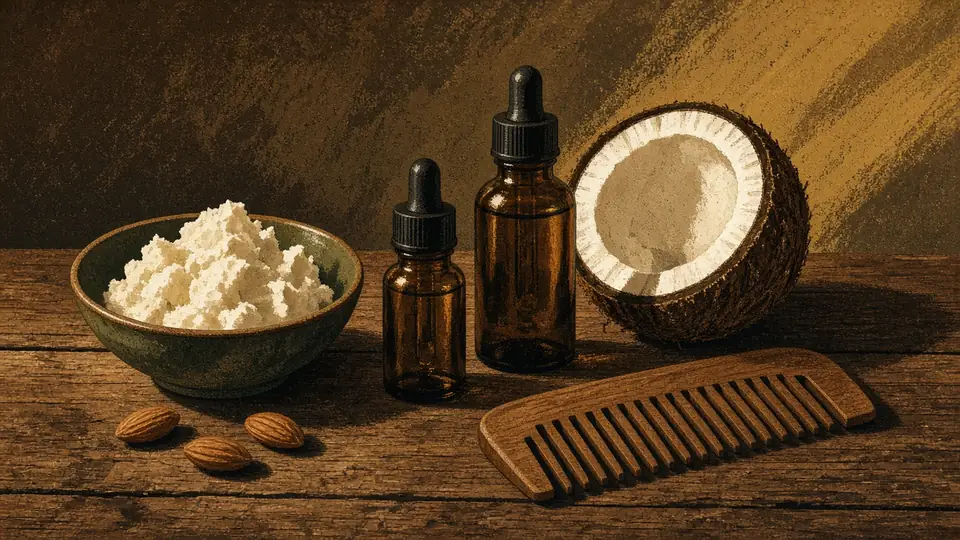
- Moisturise: a few drops of beard oil or a light moisturiser keeps hair soft and skin less dry. Choose fragrance-free if your skin is sensitive.
- Comb or brush daily to keep it tidy.
- Trim regularly, every 1–3 weeks, to keep the shape.
- Sunscreen on exposed skin around the beard. See face wash and skincare for men over 35.
Choosing a beard style that suits your face
The right shape can make a thinner beard look fuller and balance your face. A good barber will advise, but some general pointers:
- Round face: keep the sides shorter and leave a little more length at the chin to lengthen the face.
- Long face: keep the chin shorter and the sides slightly fuller.
- Square jaw: a short, even beard or stubble shows off the jawline.
- Patchy cheeks: a goatee, a short "corporate" beard or heavy stubble often looks neater than a long, uneven beard.
Neckline and cheek line
Two lines make the biggest difference to how tidy a beard looks:
- Neckline: imagine a line about two fingers above your Adam's apple, curving back towards your ears. Shave below it.
- Cheek line: follow your natural line or tidy it slightly. Don't cut it too low, which can make the beard look thinner.
Tools worth having
- A trimmer with guards for even length
- A beard comb (wide-toothed for longer beards)
- Small scissors for stray hairs
- A clean razor for the neckline
Clean your trimmer and comb regularly, and don't share razors, which can spread skin infections.
See a doctor promptly if
- Your beard hair falls out in round, smooth patches (possible alopecia areata).
- You have painful bumps, pus-filled spots or spreading redness in the beard area (possible infection or folliculitis).
- You develop swelling, blistering or severe itching after beard dye.
- Beard or body hair is thinning noticeably along with tiredness, low libido or other symptoms.
Frequently asked questions
Can I make my beard grow thicker?
You can make it look fuller with time, good shaping and care. Beard thickness is mostly genetic. Minoxidil has shown modest benefit in a small study, but it's not an approved use, so talk to a dermatologist first.
Does beard oil help beard growth?
Beard oil can soften hair and reduce itchiness, but there's no good evidence that it makes more hair grow.
Why is my beard itchy and flaky?
Often it's seborrhoeic dermatitis (beard dandruff). Washing with an anti-dandruff shampoo two or three times a week usually helps.
Why is my beard going grey before my hair?
Different hair follicles lose pigment at different rates, and beards often grey first. It's usually genetic and normal.
Is beard dye safe?
Most people use it without problems, but allergic reactions to PPD can be serious. Always patch-test before each use and avoid black mehndi products.
Sources
- American Academy of Dermatology. A dermatologist's top tips for a healthy beard.
- American Academy of Dermatology. Seborrheic dermatitis: self-care.
- Ingprasert S, et al. Efficacy and safety of minoxidil 3% lotion for beard enhancement: a randomized, double-masked, placebo-controlled study. Journal of Dermatology, 2016.
- NHS. Hair dye reactions.
- DermNet. Seborrhoeic dermatitis.
- DermNet. Folliculitis.
Sources were checked on 26 November 2026. Found an error? Tell us and we will correct it.
Medical disclaimer: This article is general information, not a diagnosis or treatment plan. Please talk to a qualified doctor about your own situation. Read our full disclaimer.
Weekly tips for men over 35
Baal, skin aur beard: what actually works, in one short email a week. Free, no spam.
We only use your email to send this newsletter and never share it. Unsubscribe anytime, every email has a one-click link. Privacy policy
Shukriya! You're on the list. Pehli email jald aayegi.
Something went wrong. Please check your email address and try again.